
Why Indoor Air Quality Matters
The air inside your home can be 2-5 times more polluted than outdoor air. Since we spend up to 90% of our time indoors, the quality of the air we breathe has a significant impact on our health and comfort.
Health Benefits
Reduce allergies, asthma symptoms, and respiratory issues by removing airborne contaminants from your home.
Home Protection
Prevent moisture damage, mold growth, and protect your HVAC equipment from dust and debris buildup.
Energy Efficiency
Properly ventilated and filtered systems run more efficiently, reducing energy consumption and utility bills.
Common Air Quality Issues
Many homes suffer from these common air quality problems that can affect your health and comfort.
Dust & Allergens
Dust mites, pet dander, pollen, and other allergens can trigger allergic reactions and respiratory issues.
Excess Humidity
Too much moisture creates the perfect environment for mold and mildew growth, damaging your home and health.
Stale Air
Poor ventilation leads to stagnant air, odors, and a buildup of indoor pollutants and VOCs from household products.
Dry Air
Insufficient humidity, especially in winter, can cause dry skin, irritated sinuses, and damage to wood furniture.
Our Air Quality Solutions
We offer comprehensive solutions to address all your indoor air quality concerns.
Fresh Air Ventilation
Bring fresh air into your home while expelling stale air, pollutants, and excess moisture.
- Heat Recovery Ventilators (HRVs) for energy-efficient air exchange
- Energy Recovery Ventilators (ERVs) for humidity management
- Balanced ventilation systems for optimal air distribution


Humidity Control
Maintain optimal humidity levels year-round with our humidification and dehumidification solutions.
- Whole-home humidifiers for dry winter months
- Dehumidifiers to prevent moisture problems in summer
- Smart controls to maintain ideal humidity levels (40-60%)
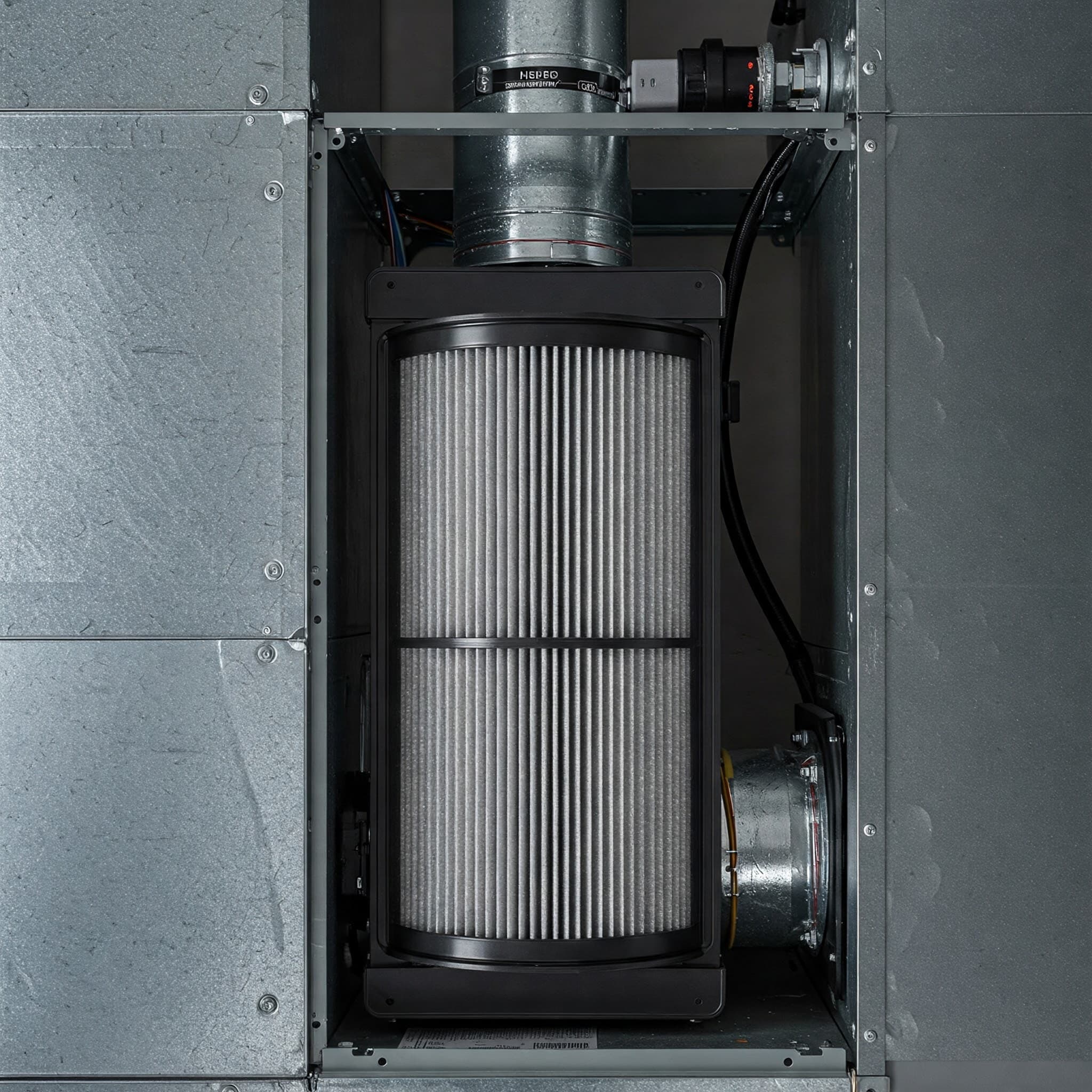
Advanced Air Filtration
Our high-efficiency filtration systems capture microscopic particles, allergens, and contaminants that standard filters miss.
- HEPA filtration captures 99.97% of particles as small as 0.3 microns
- Whole-home solutions that work with your existing HVAC system
- Regular maintenance plans to ensure optimal performance
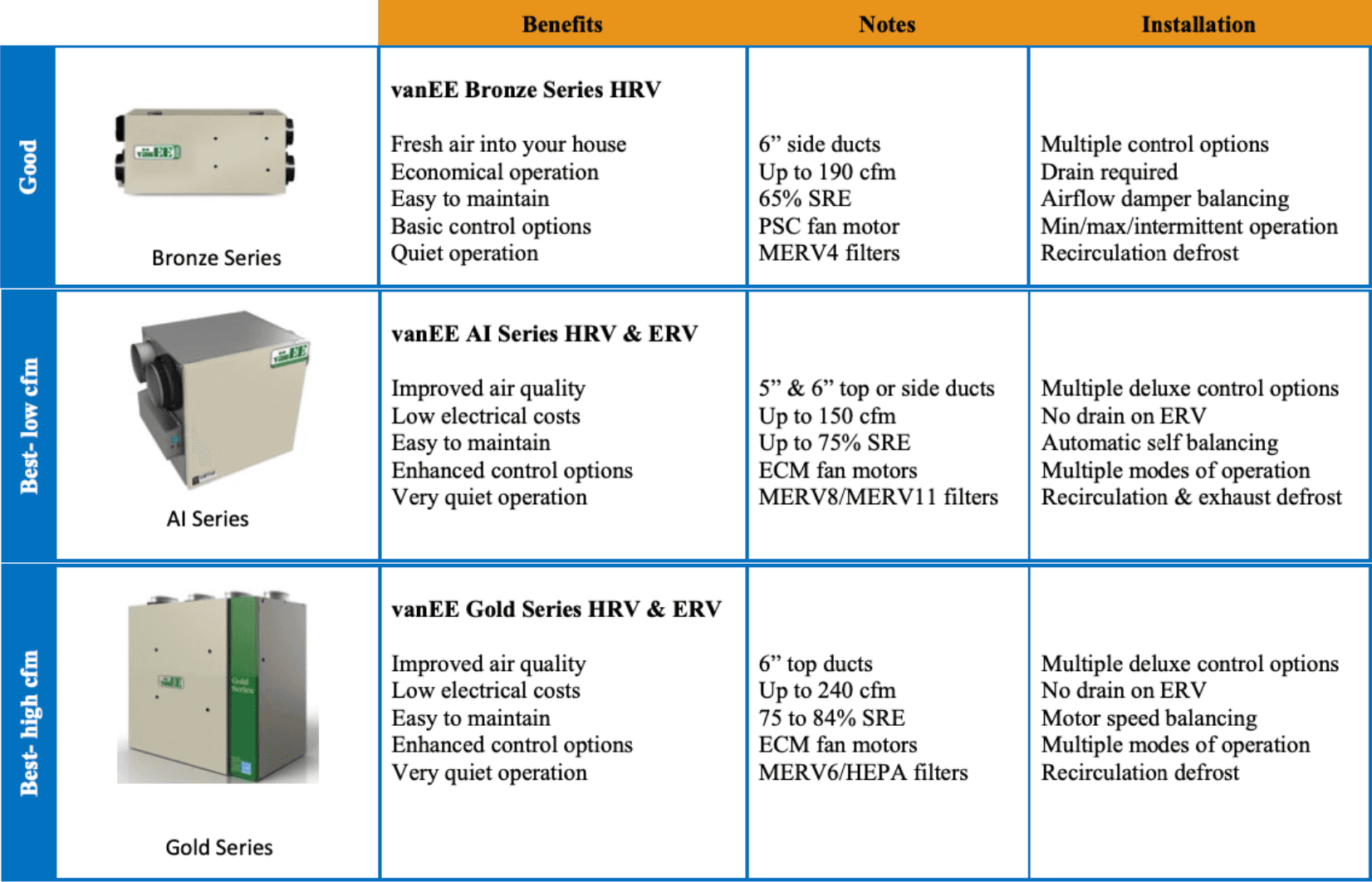
Heat Recovery Ventilator Models (HRVs)
Our selection of high-performance HRV systems provide efficient air exchange while preserving energy.
HRV Models Chart Will Be Displayed Here
Air Quality Services by Location
We serve homes throughout Waterloo Region with tailored indoor air quality solutions. Select your city for location-specific information.
Frequently Asked Questions
The most common questions we hear about indoor air quality, answered by our certified technicians.
Common signs include persistent dust on surfaces, increased allergy or asthma symptoms indoors, lingering odors, condensation on windows, visible mold or mildew, and stuffy or stale-smelling rooms. Dry skin in winter and dust mite issues are also tied to poor humidity balance. A professional air quality assessment measures particulates, humidity, and VOCs so you know exactly what to address.
Both a Heat Recovery Ventilator and an Energy Recovery Ventilator exchange stale indoor air for fresh outdoor air while recovering most of the heat. An HRV transfers only heat, which works well for our cold, dry Canadian winters. An ERV also transfers moisture, which helps during humid summers and in very tight, well-insulated homes that tend to get too dry. We help you pick the right one based on your home and climate.
Yes, when the system is sized correctly. A whole-home HEPA or high-MERV filtration system captures 99.97% of particles as small as 0.3 microns, including pollen, pet dander, dust mite waste, and mold spores. Most allergy sufferers notice a meaningful difference within the first few weeks. Pairing filtration with proper ventilation and humidity control gives the best results.
Health Canada recommends keeping indoor relative humidity between 30% and 55%. In winter, aim for around 35 to 40% to avoid dry skin and respiratory irritation without causing window condensation. In summer, keep humidity below 55% to discourage mold and dust mites. A whole-home humidifier and dehumidifier combination holds those levels automatically.
Standard 1-inch furnace filters should be checked monthly and changed every 1 to 3 months. Higher efficiency 4-inch and 5-inch media filters typically last 6 to 12 months. HEPA and electronic filters have their own service cycles. Homes with pets, smokers, or active renovations should replace filters more often. We include filter checks with every tune-up.
In most cases yes. Whole-home air purifiers, humidifiers, HRVs, ERVs, and UV systems are all designed to integrate with existing forced-air furnaces and heat pumps. We assess your current ductwork and equipment, recommend compatible add-ons, and handle the full installation. For homes without ductwork, we offer standalone and zoned solutions.
Breathe Easier Today
Schedule a comprehensive air quality assessment and get personalized recommendations for your home.
519-747-7732